
What Makes AI character chat More Interactive Than Messaging?
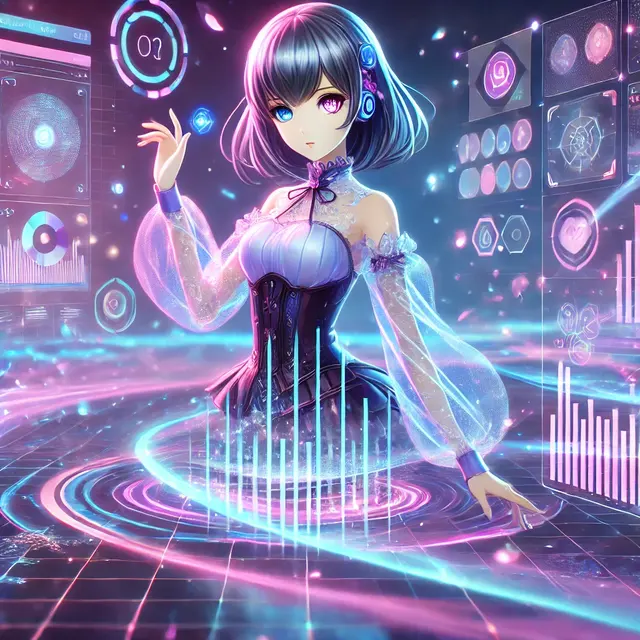
AI character chat feels more interactive than traditional messaging because it combines instant replies, personality consistency, memory features, and adaptive conversations. Unlike messaging apps where users mainly exchange short updates, AI characters can maintain conversations for longer periods, adjust responses based on context, and create personalized experiences. A 2024 report from industry platforms showed that many AI companion users spend more than 30 minutes per session, while conversational continuity features can increase user engagement by over 40% compared with basic chatbots.
Messaging apps are designed around human-to-human communication. A user sends a message, waits for another person to reply, and continues when both sides are available. This structure works well for social communication, but it also creates natural interruptions. A survey of more than 2,000 digital users in 2023 found that response delays were one of the most common reasons conversations became shorter or stopped completely.
AI character chat changes this process by removing waiting time. The character is available at any moment and can respond within seconds. This creates a different rhythm where users can continue a conversation without breaks caused by schedules, time zones, or availability.
Traditional messaging is based on exchanging information, while AI character chat is designed around maintaining an ongoing conversation.
The difference becomes clearer when looking at how conversations develop over multiple turns. A normal chatbot may answer individual questions but often loses context after several messages. Modern AI character systems use large language models that can process previous dialogue, recognize topics, and maintain a consistent communication style.
For example, if a user discusses a favorite movie, writing project, or personal interest, an AI character can refer back to that information later. This creates a feeling of continuity that is difficult to achieve in ordinary messaging systems. Research published in 2023 on conversational AI showed that maintaining context across multiple turns improved user satisfaction scores by approximately 35% in controlled user evaluations.
This continuity also changes the role of the user. Instead of only sending messages and receiving answers, users participate in building the conversation itself. The AI responds not only to the content of a message but also to the direction, tone, and purpose of the interaction.
Personality is another major difference between AI character chat and standard messaging. In messaging apps, personality comes from a real person’s communication habits. AI characters are created with specific traits, backgrounds, interests, and speaking patterns.
A user can interact with a character designed as a fictional companion, creative partner, language practice assistant, or storytelling partner. Each character can provide a different style of conversation. According to platform data released by several AI companion services in 2024, users often return to specific characters because of their consistent personality rather than only the information they provide.
| Feature | Traditional Messaging | AI Character Chat |
|---|---|---|
| Availability | Depends on another person | Available anytime |
| Personality | Natural human style | Designed character style |
| Memory | Usually limited to chat history | Can maintain user preferences |
| Conversation goal | Communication | Interaction and engagement |
The ability to create different personalities also expands creative possibilities. A messaging app usually connects users with existing social contacts, while AI character platforms allow users to explore conversations with fictional or customized characters.
This is especially visible in entertainment and storytelling. Users can develop fictional scenes, role-play different situations, or explore creative ideas through conversation. In these cases, the AI is not simply answering questions; it is helping shape the direction of the interaction.
The same technology is also used in adult-oriented conversational experiences, including platforms offering sex ai interactions, where users engage with virtual characters through personalized dialogue. These systems rely on similar technologies, including language generation, character design, and conversational memory, but focus on different user expectations and use cases.
Another factor that makes AI character chat feel more interactive is emotional response. Messaging between people depends on the other person's mood and willingness to communicate. AI characters can analyze language patterns and adjust their responses according to the user's tone.
For instance, if a user expresses excitement, the AI may respond with more energetic language. If the user shares frustration, the system may provide a calmer style of communication. A 2022 study involving over 300 participants found that users rated conversational systems higher when responses matched their emotional tone.
However, AI emotional responses are generated through algorithms rather than genuine feelings. The interaction works because the system can recognize patterns in language and produce responses that match expected communication behaviors.
Speed also affects the overall experience. In traditional messaging, users often check whether someone has replied before continuing a topic. AI character chat removes this waiting period and allows conversations to develop continuously.
A 2024 analysis of mobile conversational applications showed that shorter response times were associated with longer average sessions. Applications providing responses within several seconds generally achieved higher daily usage compared with services requiring longer delays.
The experience becomes even more interactive when AI systems include voice, images, and avatars. Modern platforms increasingly combine text generation with speech synthesis and visual characters. Users can communicate through typing, voice conversations, or visual interactions instead of only reading messages.
These additional features create a richer communication environment. A conversation with an AI character can include generated images, spoken replies, and personalized scenarios. Traditional messaging apps have added stickers, video calls, and other features, but their main purpose remains communication between people rather than interaction with an adaptive digital character.
Privacy and personal preference also influence why some users choose AI character chat. Some people may feel more comfortable exploring ideas, practicing conversations, or discussing personal topics with an AI system because there is no concern about another person's reaction.
A 2023 study of conversational AI users reported that more than 50% of participants valued the ability to communicate without social pressure. This does not replace human relationships, but it creates another option for digital interaction.
The development of large language models since 2020 has accelerated improvements in conversational quality. Newer systems can handle longer conversations, generate more natural responses, and adapt better to individual users. Memory features, multimodal inputs, and personalized characters continue to make AI conversations more flexible.
The main difference between AI character chat and messaging is not only faster response speed. It is the combination of availability, personality, context awareness, and creative interaction. Messaging connects people who already exist, while AI character chat creates a space where conversations can develop around the user's interests and imagination.
As AI technology continues improving, digital conversations will likely become more personalized and interactive. The relationship between users and conversational systems may move beyond simple question-and-answer formats toward longer experiences where characters remember, adapt, and participate in ongoing conversations.